16th-Century Shipwreck Found Deep In The Mediterranean: All You Need To Know
A deep-sea shipwreck in the Mediterranean, dating back to the 16th century, offers rare insights into maritime history and trade
5 months ago
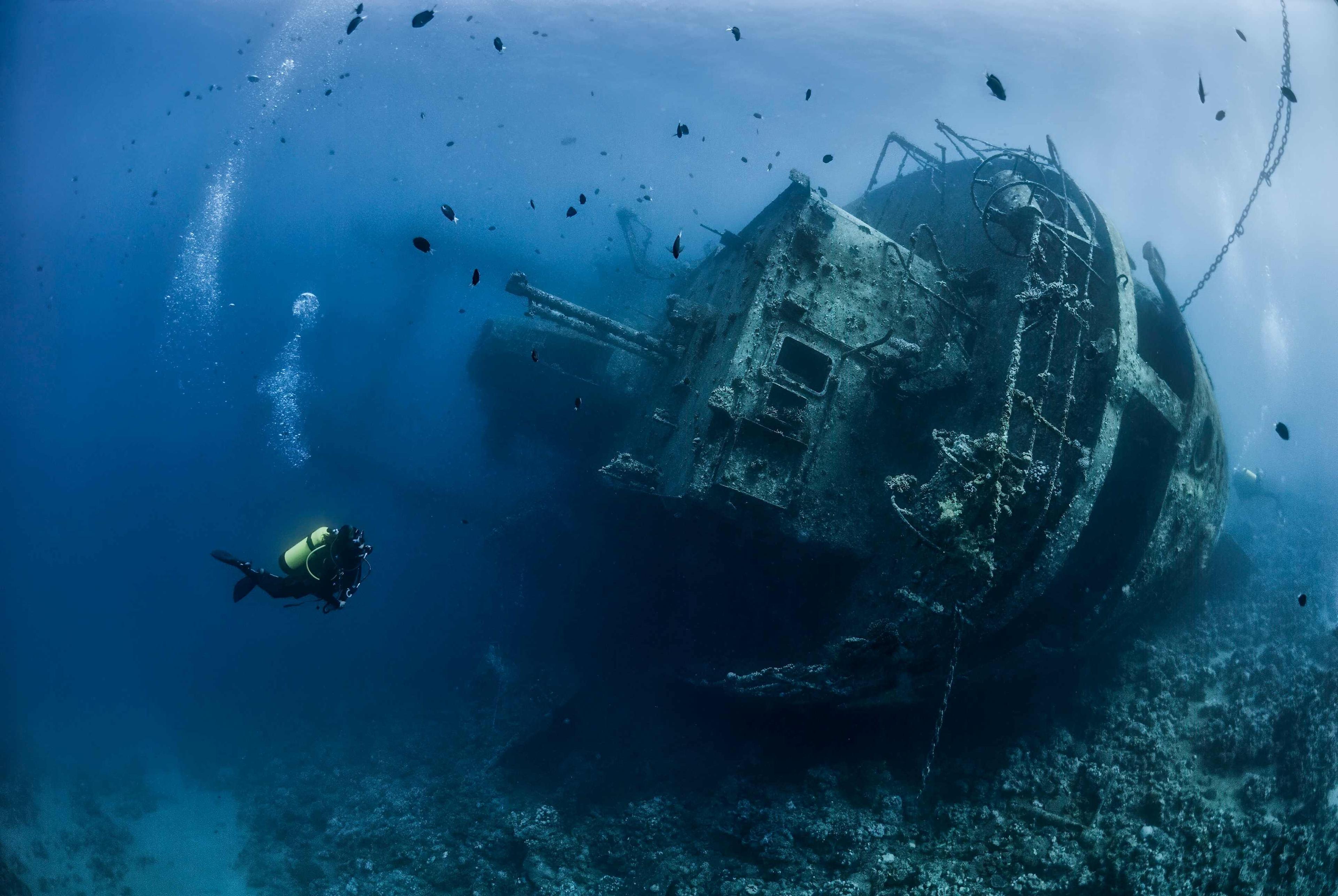
A 16th-century shipwreck has been discovered at a depth of 2,567 m in the Mediterranean Sea near Ramatuelle. It marks a major breakthrough for deep-sea maritime archaeology. The vessel, identified as Camarat 4, was located and mapped by the French Navy, which used advanced underwater drone technology.
Officials report the shipwreck is in an exceptional state of preservation. Much of its structure and cargo remain intact. Experts describe the shipwreck as a "time capsule" because of its remarkable condition.
Nearly 200 ceramic containers remain on site. Many are still arranged as they were at the time of sinking. Six bronze cannons have also been identified, suggesting the vessel was armed for protection during its voyage.
Parts of the wooden hull have survived, a rare occurrence for shipwrecks of this age. Researchers say the site offers a valuable snapshot of 16th-century maritime activity.
How The A6K Underwater Drone Mapped The Deep-Sea Wreck
The discovery was made using the A6K Autonomous Underwater Vehicle (AUV), operated by the French Navy’s CEPHISMER team. The drone is designed for extreme deep-sea conditions and can operate in complete darkness.
Using side-scan sonar and high-definition cameras, the A6K mapped the ocean floor and captured detailed visuals of the wreck. Scientists then used photogrammetry to create high-resolution models of the ship and cargo. At this depth, the pressure is about 250 times higher than at sea level. Such missions are impossible with conventional methods. The A6K enabled researchers to identify a 30-metre-long hull and multiple artefacts.
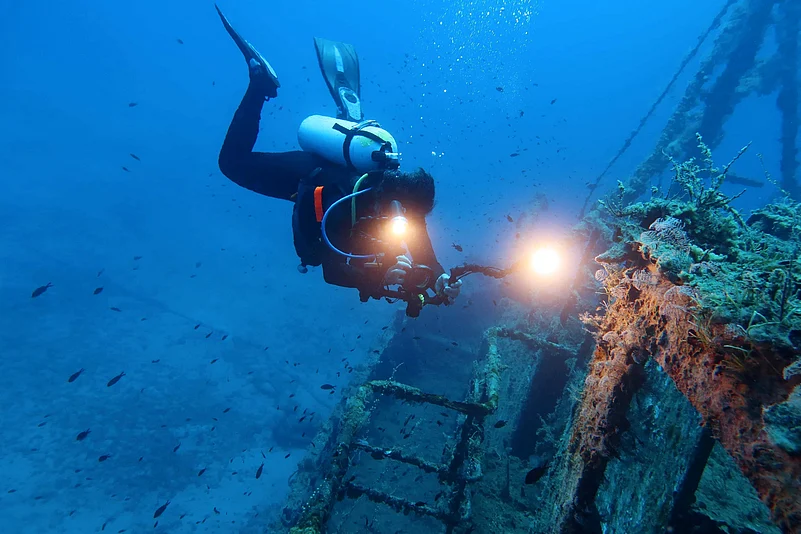
(Representational image) Photo: Shutterstock
What The Cargo Reveals About Renaissance Trade And Religious Networks
The cargo provides key insights into trade patterns of the time. Several ceramic containers feature the IHS monogram, a symbol associated with Christ, suggesting a link to religious institutions.
Researchers believe the vessel may have originated on the Ligurian coast of northern Italy, a region known for its active trade during the Renaissance period.
The presence of six bronze cannons suggests the ship was equipped to defend itself, likely against piracy. Other items recovered include a large anchor, bronze cooking cauldrons, and stacked plates, offering insight into daily life onboard.
Why The Camarat 4 Wreck Remains Well Preserved
Officials attribute the preservation of the wreck to deep-sea environmental conditions. Low temperatures slow chemical decay. The lack of oxygen prevents organisms that damage wooden structures from surviving.
These conditions have helped maintain the ship’s structure and cargo for nearly 500 years. High pressure and minimal disturbance in the deep sea have further contributed to its intact state.
The discovery highlights the growing role of advanced technology in underwater exploration and opens new possibilities for studying historical shipwrecks in deep-sea environments.
(With inputs from various sources)
FAQs
1. What is the Camarat 4 shipwreck?
Camarat 4 is a 16th-century shipwreck discovered in the Mediterranean Sea near Ramatuelle.
2. How deep was the shipwreck found?
It was located at a depth of 2,567 metres, making it a significant deep-sea discovery.
3. What was found on the shipwreck?
Researchers identified ceramic containers, bronze cannons, an anchor and parts of the wooden hull.
4. How was the shipwreck discovered?
The French Navy used the A6K Autonomous Underwater Vehicle (AUV) equipped with sonar and cameras.
5. Why is the shipwreck so well preserved?
Low temperatures, lack of oxygen and minimal disturbance in deep-sea conditions helped preserve it.
Similar Articles
More from News