Regulation of adventure tourism by The Ministry of Tourism, India
The Ministry of Tourism has introduced regulations to ensure the safe and sustainable growth of adventure tourism in India. These guidelines focus on standardizing safety protocols, certifying operators, and ensuring trained personnel for activities like trekking, rafting, and paragliding. The aim i
6 months ago
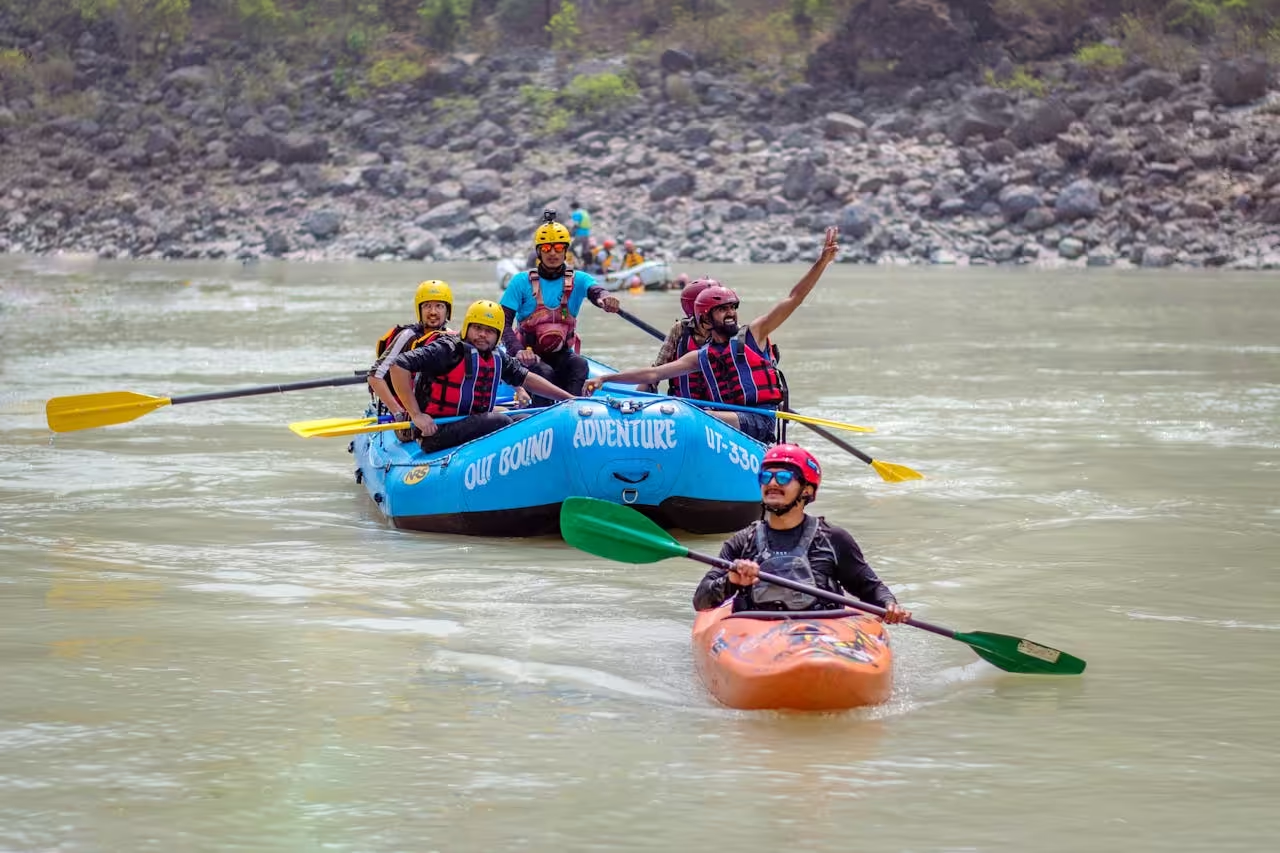
Adventure tourism in India has witnessed significant growth over the past decade, with increasing interest in activities such as trekking, river rafting, mountaineering, paragliding, and scuba diving. Recognizing both its economic potential and associated risks, the Ministry of Tourism has introduced comprehensive guidelines to regulate this sector.
These regulations are primarily aimed at ensuring the safety of tourists and maintaining quality standards across all adventure tourism activities. One of the key aspects of the guidelines is the certification and registration of adventure tour operators. Only those operators who meet specific safety and operational standards are permitted to conduct activities, ensuring professionalism and accountability.
The guidelines also emphasize the importance of trained and qualified personnel. Instructors, guides, and support staff are required to undergo proper training and certification to handle emergency situations effectively. This significantly reduces the risk of accidents and enhances the overall experience for tourists.
Another important focus is on the use of proper equipment and infrastructure. All equipment used in adventure activities must meet prescribed safety standards and undergo regular maintenance checks. This ensures reliability and minimizes potential hazards during activities.
Environmental sustainability is also a crucial component of these regulations. Adventure tourism often takes place in ecologically sensitive areas, and the guidelines stress responsible practices to minimize environmental impact. This includes waste management, conservation of biodiversity, and adherence to eco-friendly practices.
Additionally, the guidelines mandate risk assessment and emergency preparedness. Operators must have clear protocols in place for handling emergencies, including first aid, evacuation plans, and coordination with local authorities.
The Ministry of Tourism has outlined how adventure tourism is regulated in India, emphasizing safety and operator recognition rather than destinations or accident data.
Responsibility:
Development and promotion of adventure tourism is primarily handled by State Governments/UT Administrations.
Safety Guidelines:
In partnership with the Adventure Tour Operators Association of India, the Ministry has circulated Adventure Safety Guidelines to all States/UTs for adoption and updating of protocols.
Monitoring:
States/UTs are urged to strictly enforce licensing norms and safety regulations for all operators.
No Central Data:
The Ministry does not maintain records of approved destinations, accidents, or a separate fund for adventure tourism.
Recognized Adventure Tourism Operators (State-wise)
- Delhi: 21
- West Bengal: 16
- Haryana: 6
- Karnataka, Maharashtra, Uttar Pradesh: 4 each
- Telangana, Uttarakhand: 3 each
- Others: 1–2 operators per state (e.g., Andhra Pradesh, Bihar, Kerala, Tamil Nadu, J&K, Himachal Pradesh, Sikkim, Punjab, Jharkhand, Gujarat, Madhya Pradesh)
- Total: 77 operators nationwide
Implications
- The focus is on standardized safety rather than expanding destinations.
- States with higher operator counts (Delhi, West Bengal) may indicate stronger adventure tourism ecosystems.
- The guidelines aim to build trust among travelers and ensure India’s adventure tourism sector grows responsibly.
Similar Articles
More from News