The Rise Of Toy Tourism And The New Age Of Play Parks
Nostalgia meets adventure as toy-themed parks, museums and cities inspire a new travel trend known as toy tourism
7 months ago
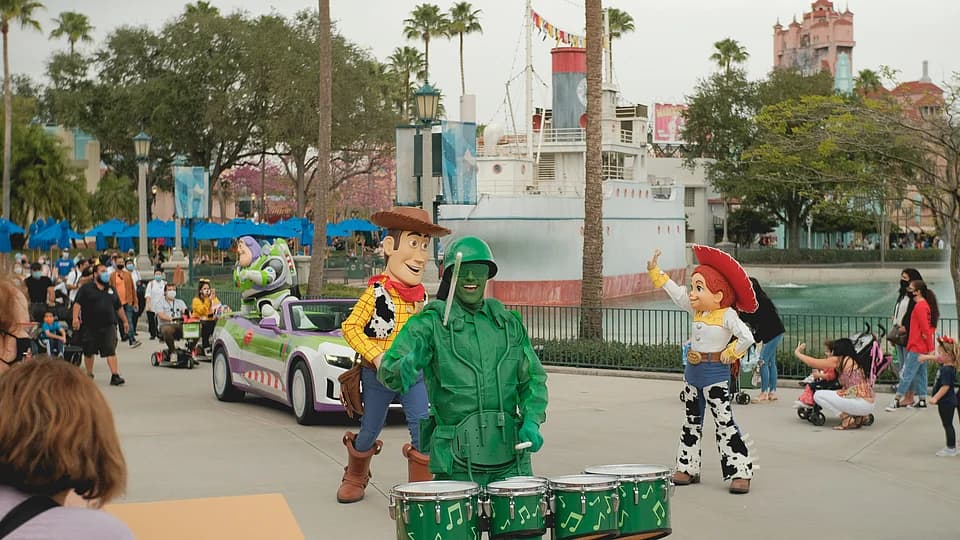
For many travellers, the most memorable journeys are the ones that stir something deeply personal—nostalgia, curiosity, or a sense of wonder. Increasingly, those feelings are being sparked by something rather unexpected: toys. Around the world, a new travel trend known as toy tourism—or sometimes “toyrism”—is quietly gaining momentum, transforming childhood favourites into full-fledged travel experiences.
What began as niche fan activity has evolved into a wider tourism movement that blends nostalgia, themed entertainment, and social media culture. From massive LEGO theme parks to intricate miniature museums and even organised holidays for stuffed animals, toy tourism is reshaping the way people think about leisure travel. It reflects a broader shift in the tourism industry, where travellers are seeking experiences that feel immersive, playful, and emotionally resonant.
At its core, toy tourism taps into the universal language of play. Toys are deeply tied to memory, storytelling, and culture. As adults increasingly revisit childhood interests through the growing “kidult” phenomenon, destinations built around toys and games are becoming compelling reasons to plan a trip.
When Nostalgia Becomes A Journey
The rise of toy tourism is closely linked to the global surge in nostalgic travel. Adults who grew up with iconic toys, cartoons, and video games are now rediscovering them in entirely new settings—whether through theme parks, exhibitions, or collectible experiences.
This trend reflects the growing power of fan culture. Travellers are no longer just visiting destinations; they are seeking places that connect with their passions and childhood memories. Visiting a LEGO attraction, stepping into a Pokémon-themed park, or exploring a museum dedicated to miniature worlds allows travellers to interact with beloved characters and objects in real life.
Social media has amplified this movement further. Platforms like Instagram and TikTok thrive on visually playful content, and toys offer a unique storytelling device. Many travellers now photograph action figures, plush toys, or collectibles at famous landmarks, turning them into whimsical travel companions. The practice has become so popular that specialised travel agencies in Japan even offer guided trips for stuffed animals, sending them on journeys and returning with photographs documenting their adventures.
From Toy Stores To Toy Cities
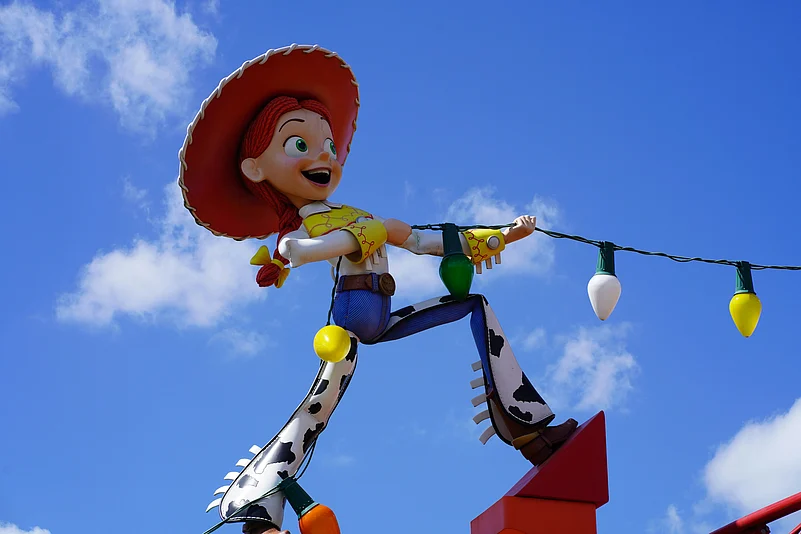
Destinations worldwide are turning beloved toy franchises into immersive travel experiences Photo: Unsplash
Toy tourism is not limited to theme parks or novelty experiences. In many cases, it intersects with history, craftsmanship, and regional identity. Some destinations have built entire tourism narratives around their toy-making heritage.
Nuremberg in Germany, often referred to as the “city of toys,” is one such example. With a toy production history spanning more than six centuries, the city hosts the internationally renowned Spielwarenmesse toy fair each year, drawing industry professionals and enthusiasts from across the globe. Visitors can also explore the Nuremberg Toy Museum, which traces the evolution of toys across generations.
Elsewhere, museums and exhibitions dedicated to miniature worlds are attracting growing attention. Hamburg’s Miniatur Wunderland, one of the largest model railway and miniature attractions in the world, has become a major draw for visitors fascinated by detailed recreations of cities, landscapes, and transportation networks. These immersive displays demonstrate how toys can transform storytelling into a physical experience.
Iconic toy retailers have also become travel landmarks in their own right. London’s historic Hamleys toy store, often described as one of the world’s oldest and largest toy shops, draws visitors who see it as more than a store—it is a theatrical destination where play and retail blend seamlessly.
Theme Parks Enter The Age Of Play
The strongest driver of toy tourism today is the rapid expansion of toy and game-inspired theme parks. Major entertainment companies are investing heavily in attractions that translate popular franchises into immersive environments.
LEGOLAND resorts remain among the most visible examples. In 2026, the LEGOLAND Windsor Resort in the United Kingdom marks its 30th anniversary with year-long celebrations that include a towering LEGO birthday cake constructed from hundreds of thousands of bricks, nostalgic recreations of 1990s scenes in Miniland, and themed events designed to celebrate three decades of the brand’s cultural impact. Even the journey to the park has been turned into an experience with a themed train running between London Waterloo and Windsor.
Across the Atlantic, LEGOLAND parks in California and Florida have expanded with new attractions such as LEGO Galaxy, a space-themed area featuring the Galacticoaster—an indoor family ride where visitors can digitally customise their ride vehicles.
Beyond LEGO, other toy franchises are entering the world of location-based entertainment. The upcoming World of PAW Patrol at Chessington World of Adventures in the UK is expected to be the country’s first fully themed area dedicated to the beloved children’s series. The attraction recreates Adventure Bay with themed rides, character encounters, and play zones inspired by the show’s animated universe. Nearby, the resort’s Safari Hotel has introduced themed family rooms designed around the PAW Patrol storyline, extending the immersive experience beyond the park itself.
Meanwhile in Japan, PokéPark KANTO has opened within Tokyo’s Yomiuriland amusement park, bringing the Pokémon universe into a sprawling physical environment. With more than 600 Pokémon characters represented throughout the park, visitors can explore themed towns, forest trails dotted with life-sized statues, and interactive experiences that mimic the journey of becoming a Pokémon trainer.
The Gaming And Toy Brand Boom
Toy tourism is also expanding through partnerships between entertainment companies and theme park operators. Video games and toy franchises are increasingly being transformed into travel destinations that attract visitors from around the world.
Universal Orlando Resort’s Epic Universe park, which opened in 2025, features a highly anticipated Super Nintendo World where characters like Mario and Yoshi anchor interactive attractions. These experiences blend digital gaming mechanics with physical rides, allowing visitors to feel as though they have stepped directly into a video game.
Traditional toy manufacturers are also embracing the trend. Mattel is developing the Mattel Adventure Park in Arizona, featuring attractions based on brands such as Barbie and Hot Wheels. The park is designed to convert familiar toy aisles into immersive rides, themed environments, and entertainment zones.
Other brands are exploring similar ventures. Peppa Pig-themed parks have already opened in Florida and Germany, while additional expansions are planned in the United States. Analysts believe these projects reflect a larger industry shift toward intellectual property-driven tourism, where beloved characters become the foundation for travel experiences.
A New Way To Experience Play
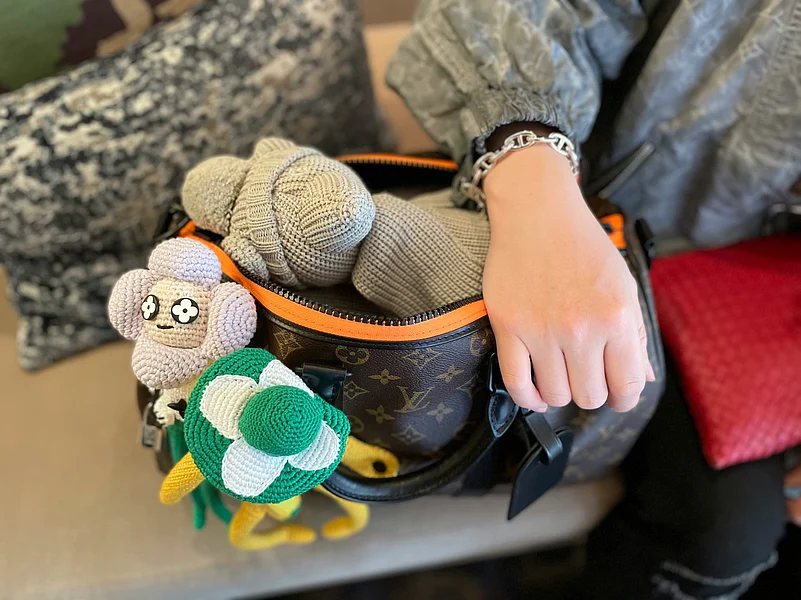
Toy tourism reflects a growing demand for playful, nostalgia-driven travel experiences Photo: Unsplash
What makes toy tourism particularly compelling is its ability to bring together different generations. For children, these destinations offer playful environments filled with familiar characters and colourful worlds. For adults, they provide a nostalgic return to childhood memories while also delivering the immersive storytelling expected from modern attractions.
Researchers studying the phenomenon often point to the cultural dimension of toys as well. Toys frequently reflect the values, traditions, and storytelling practices of the societies that create them—from handcrafted puppets used in traditional performances to globally recognised dolls and action figures that represent modern popular culture.
This blend of culture, creativity, and nostalgia explains why toy tourism is expanding so quickly. As travellers increasingly seek experiences that feel personal and shareable, playful destinations offer a powerful emotional connection.
Looking ahead, the growth of toy-themed parks, interactive museums, and branded attractions suggests that the boundaries between play and travel will continue to blur. What once belonged to childhood bedrooms and toy stores is now shaping holiday itineraries around the world.
In other words, the next great travel adventure might begin not with a guidebook, but with a toy box.
FAQs
1. What is toy tourism?
Toy tourism refers to a travel trend where people plan trips around toy-related experiences such as theme parks, toy museums, iconic toy stores, and attractions inspired by popular toy and game franchises.
2. Why is toy tourism becoming popular?
The trend is driven by nostalgia among adults, the rise of fan culture, social media sharing, and the growing popularity of immersive theme parks built around toy and gaming franchises.
3. What are some popular toy tourism destinations?
Major examples include LEGOLAND resorts worldwide, PokéPark KANTO in Japan, Miniatur Wunderland in Hamburg, and historic toy hubs like Nuremberg in Germany.
4. What is the “kidult” trend connected to toy tourism?
The “kidult” trend refers to adults reconnecting with childhood interests such as toys, cartoons, and games, which is encouraging more travellers to visit toy-themed attractions.
5. Are there unusual forms of toy tourism?
Yes. Some travellers take their toys or stuffed animals on trips and photograph them at landmarks, while specialised agencies even organise guided vacations for stuffed animals.
Similar Articles
More from News